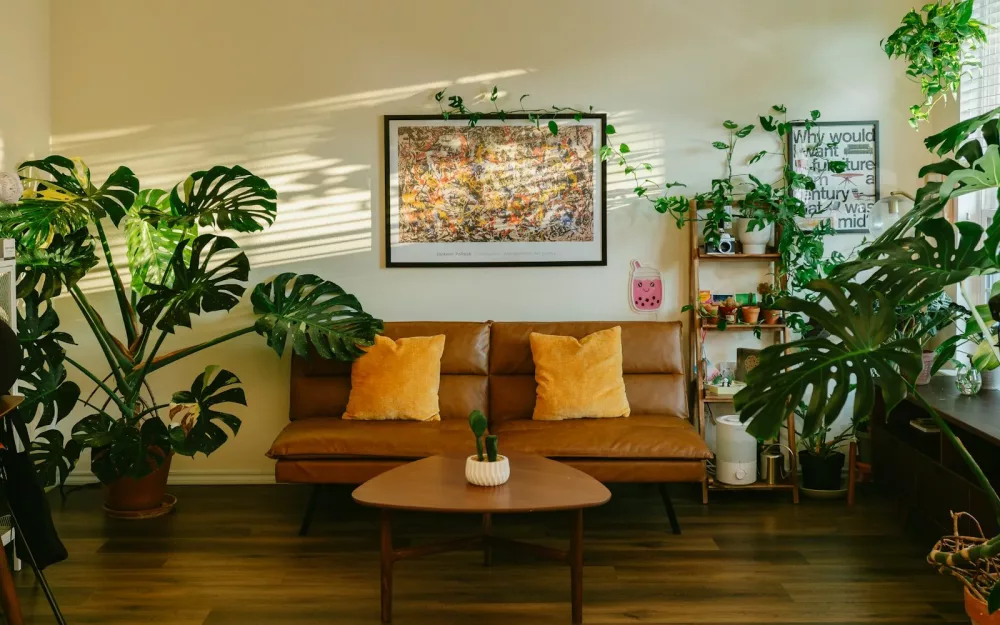
Natural light, the raw material of any renovation
We always make our first visit to a space at several times of day. Morning light has nothing to do with the light of five in the afternoon, and an interior is drawn first with the sun, never against it.
« A well-lit room barely needs any decoration at all. »
Mapping the light
Before any plan, we record, room by room, when and how the sun enters. This map then guides every decision: where the reading corner goes, the choice of tones, the place of a mirror, the orientation of a worktop. Nothing that follows is decided without it.
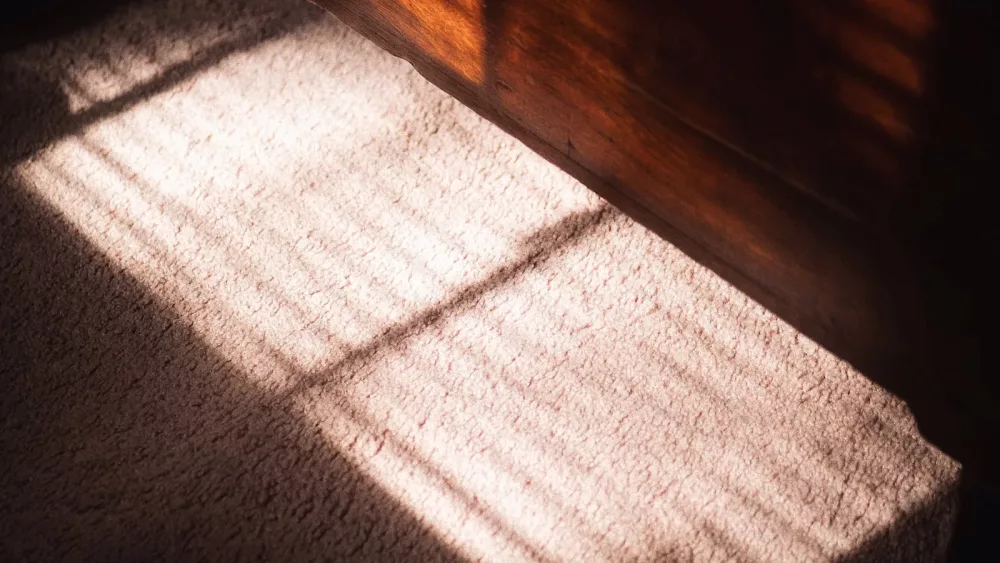
Let the light travel
A few gestures are often enough to carry light from one façade to the other:
- open a partition between a dark room and a bright one;
- add an internal glazed screen to share daylight without sharing noise;
- shift a door to clear a sightline through to the window;
- choose pale tones at the strategic spots, which bounce light back instead of soaking it up.
Artificial light takes over
Once night falls, everything hinges on the temperature and height of the sources. We banish the single ceiling light in favour of several low, warm points — a lamp can be tuned, a ceiling cannot.
« You don't furnish a room — you light it. The rest follows. »
Karim Doucet, colourist
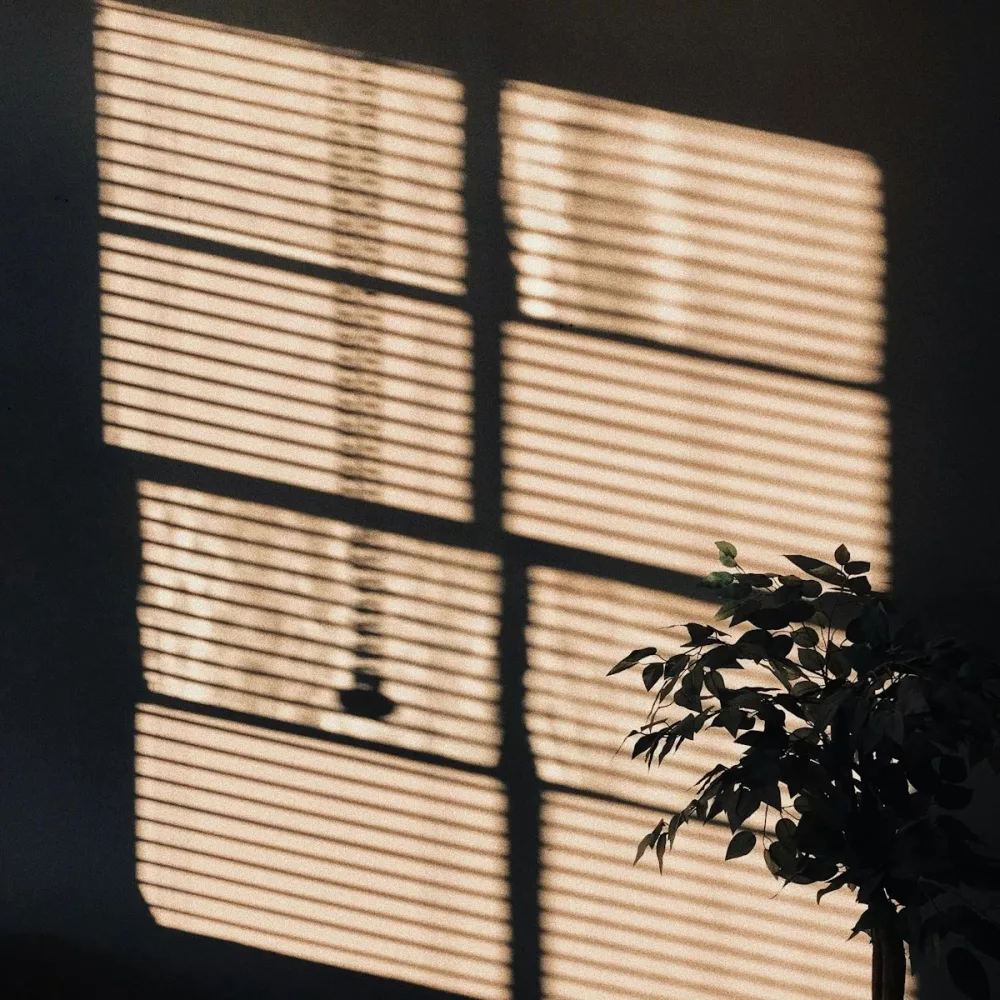
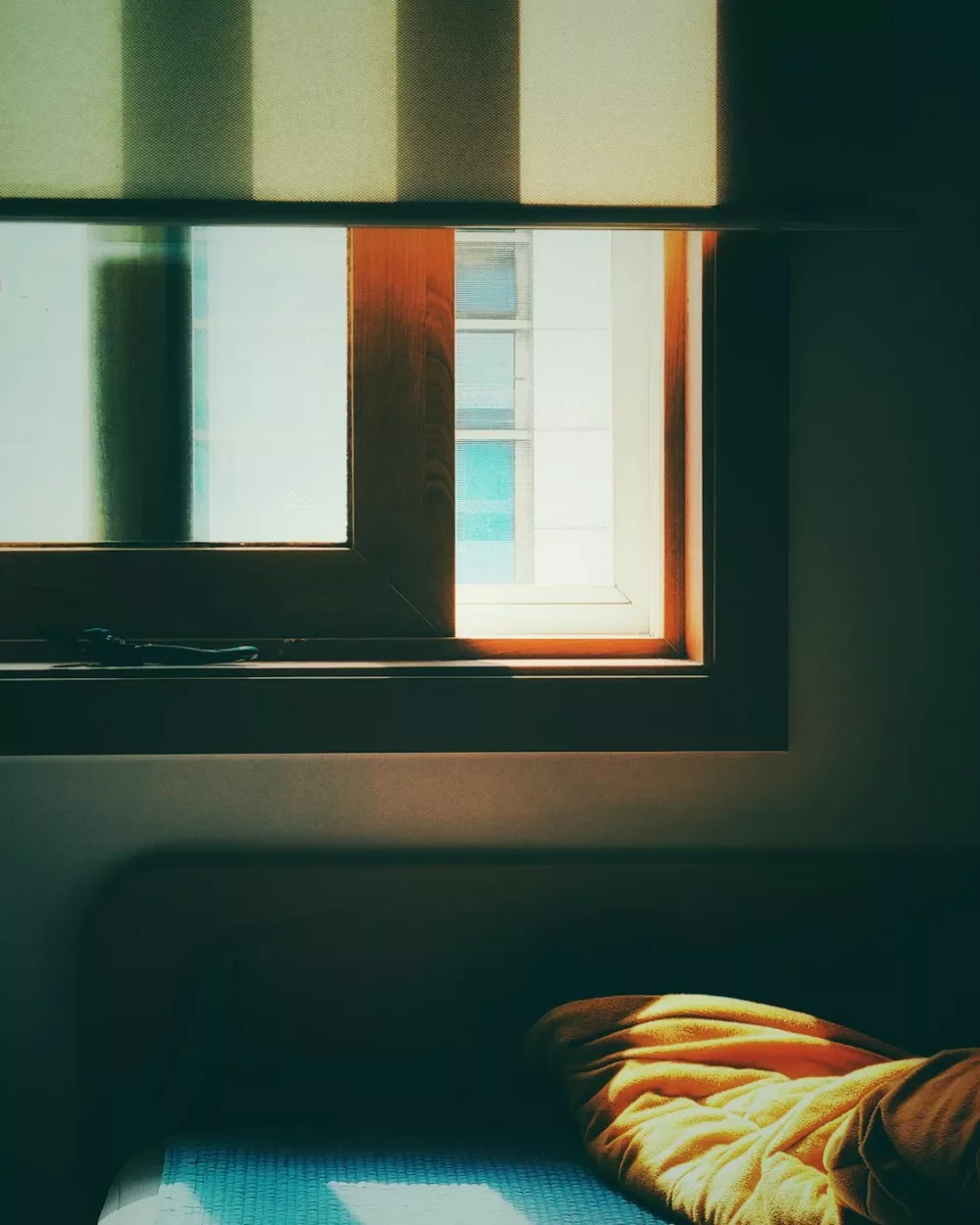
Our conviction, deep down, is simple: light is the first material of any interior. Free, changing, impossible to imitate. To understand it well is already to have done half the project.