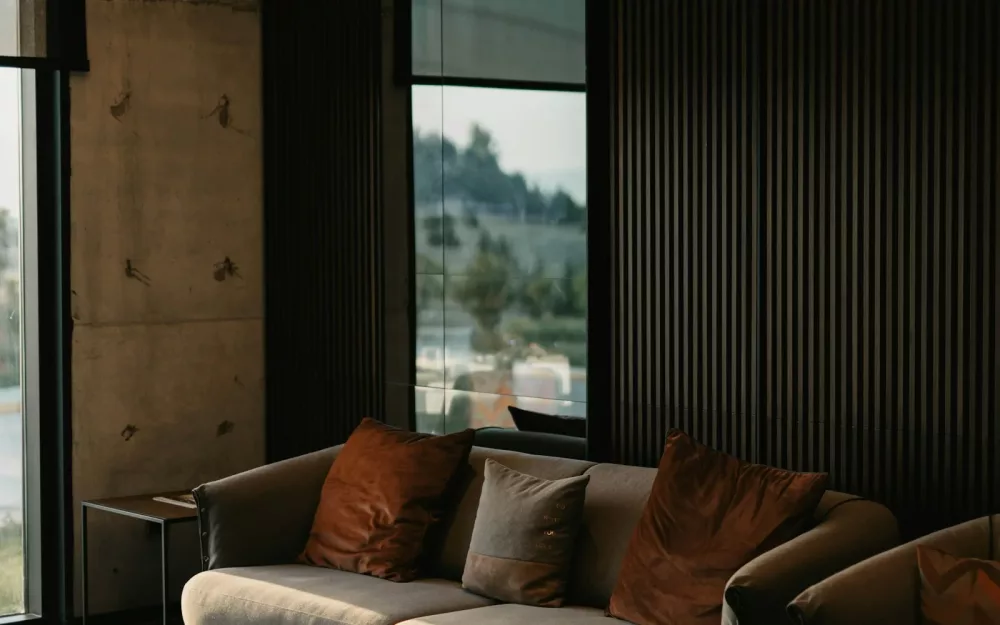
Small spaces: expanding without moving the walls
A small, well-considered space beats a large, badly organised one. Floor area is rarely the problem — organisation almost always is. Here are the principles we apply to every studio and one-bedroom.
« Constraint is not the enemy of beauty. It is often its engine. »
One dominant tone
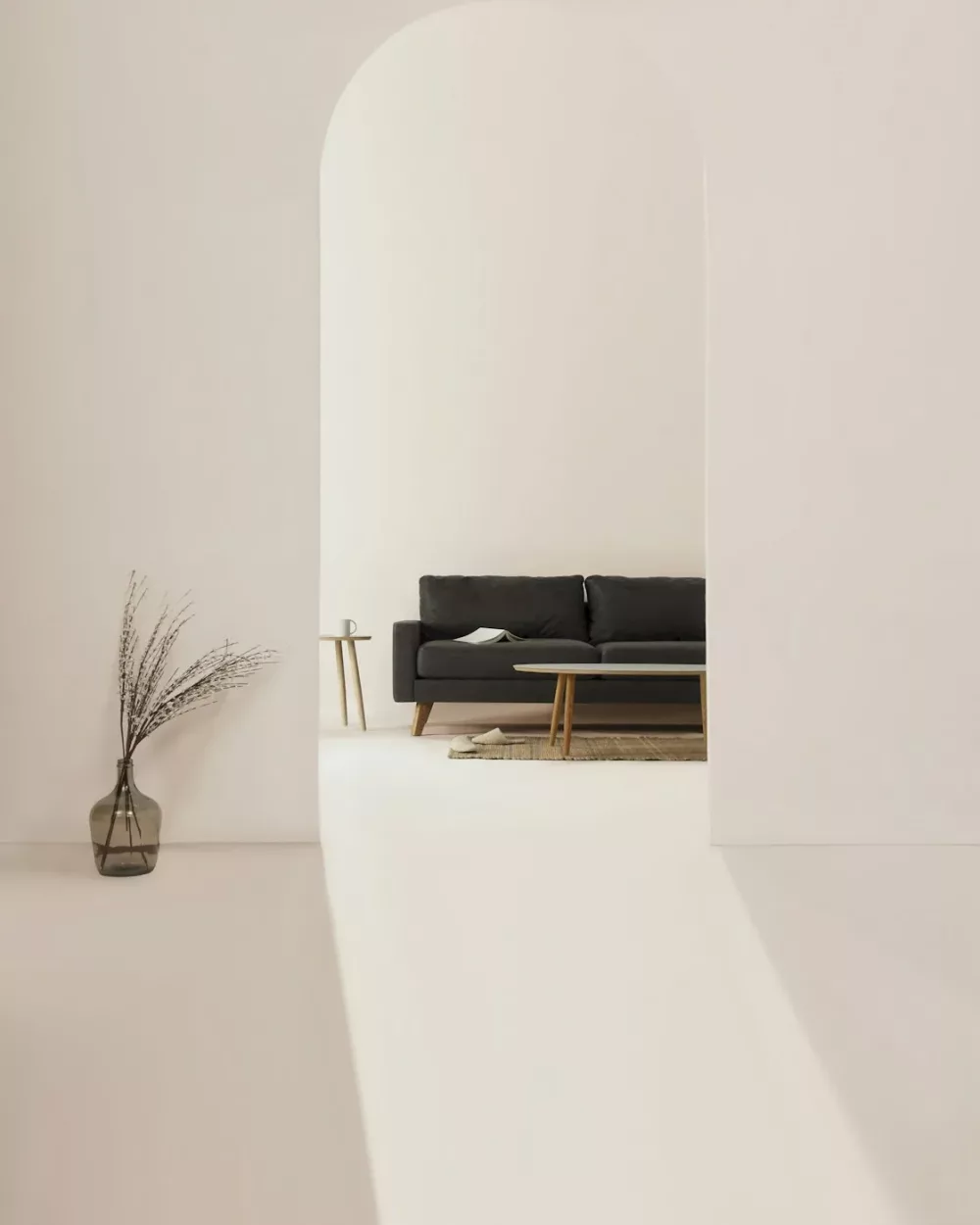
Breaks in colour cut space into pieces and shrink it. A pale, continuous background — walls, ceiling, sometimes the floor — enlarges instantly and lets the eye run on unobstructed. Colour is saved for one or two chosen accents.
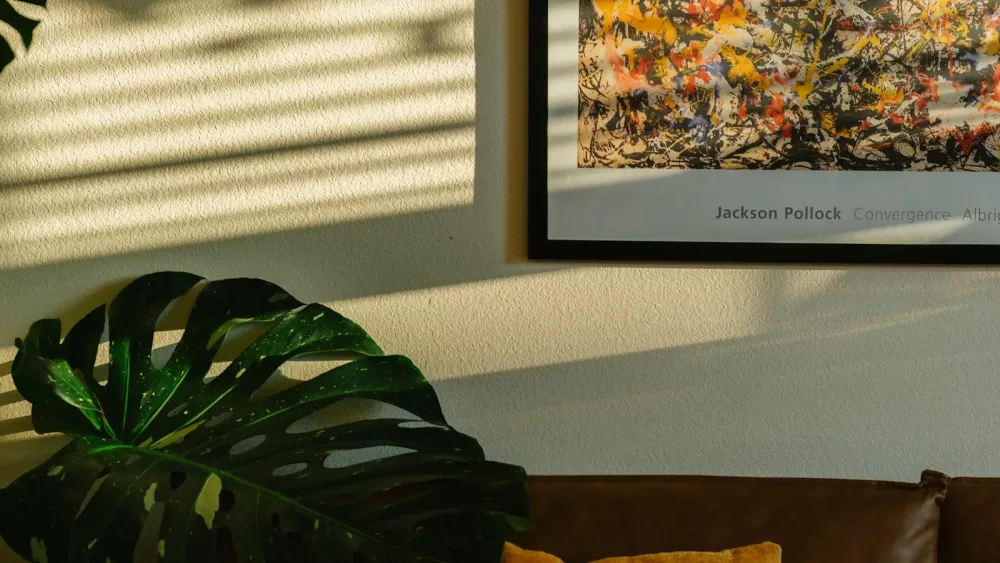
Bespoke furniture
In small volumes, off-the-shelf furniture always wastes a few centimetres — and here, centimetres count. A piece drawn to the millimetre uses every nook:
- under a roof slope;
- around a door or a window;
- up to the ceiling, for height;
- in double duty: bench-with-storage, step-drawer, headboard-bookcase.
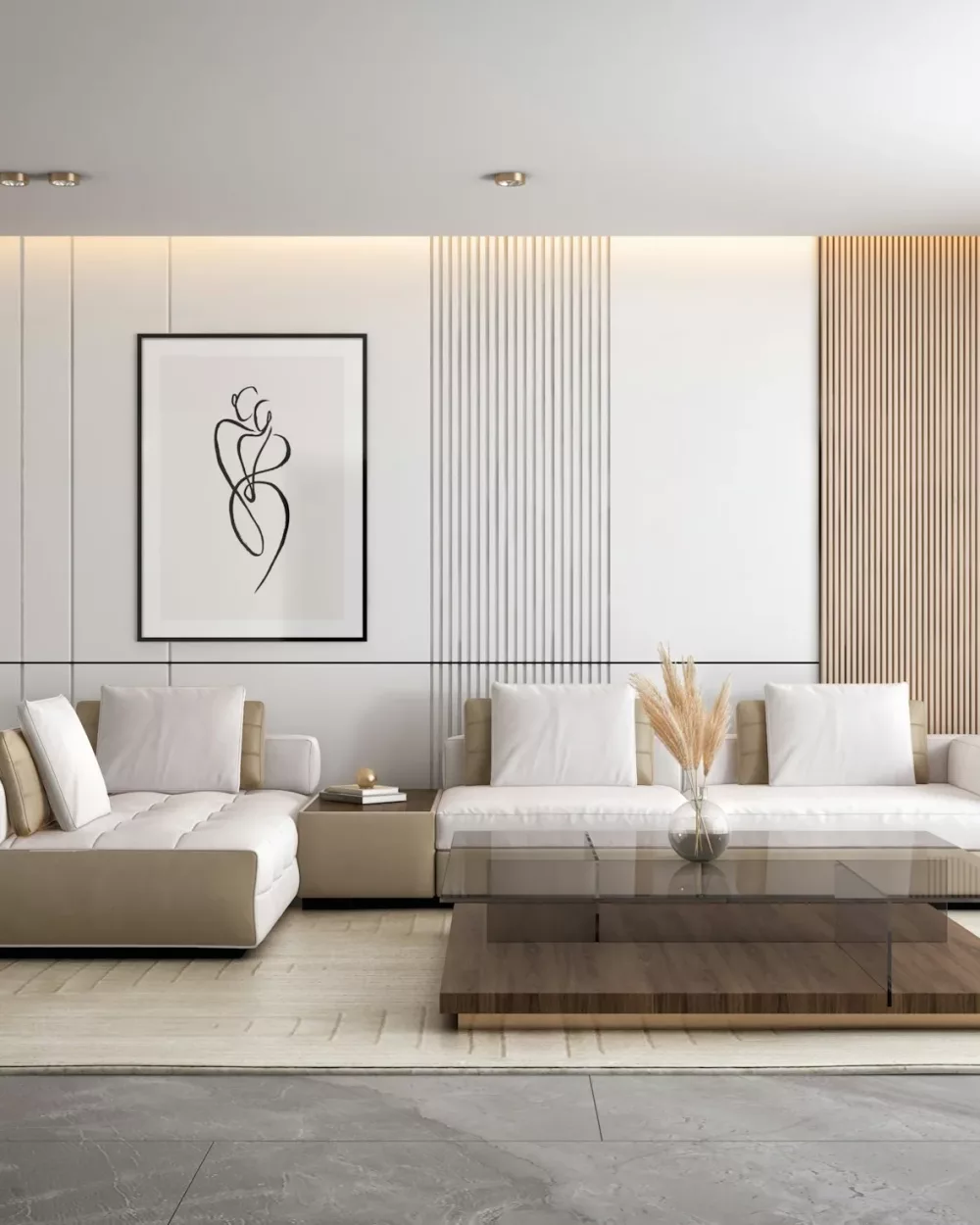
Clearing the sightlines
Keep at least one sightline clear all the way to a window. Seeing far — even in thirty square metres — is what makes you feel spacious. We prefer a low, long unit to a tall column that cuts the view.
« You don't enlarge a room by moving the walls. You enlarge it by freeing the gaze. »
Thomas Vasseur, architect
One large, well-placed mirror
A last, almost magical weapon: a generous mirror opposite a light source visually doubles the room and throws daylight to the back. Provided it reflects something worth seeing — never a bare wall.
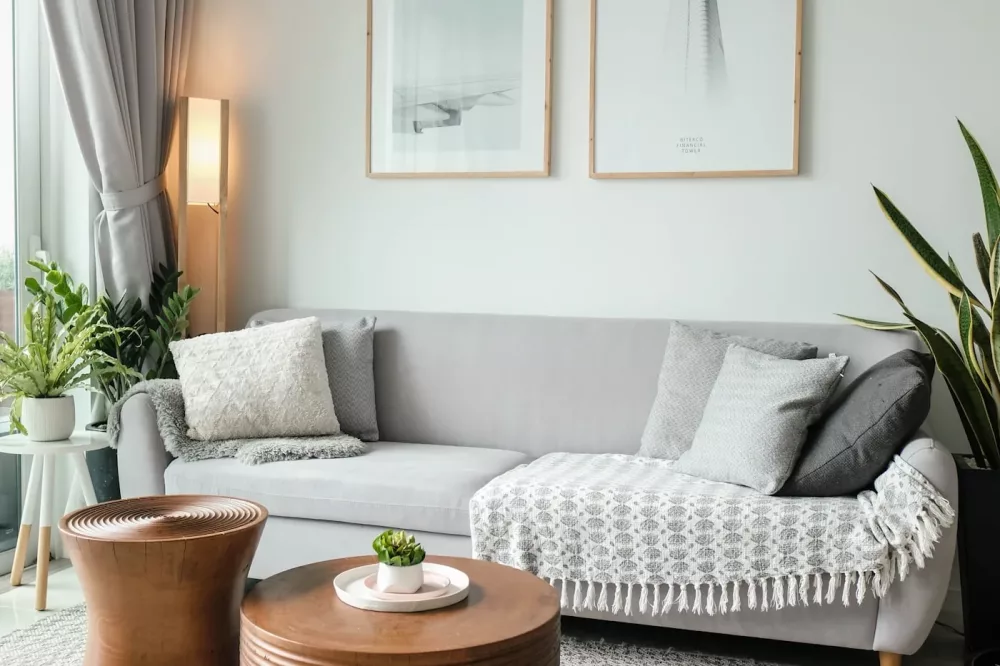
Well thought out, a small home is not a compromise: it is an exercise in style. And often, it is where we do our favourite work.