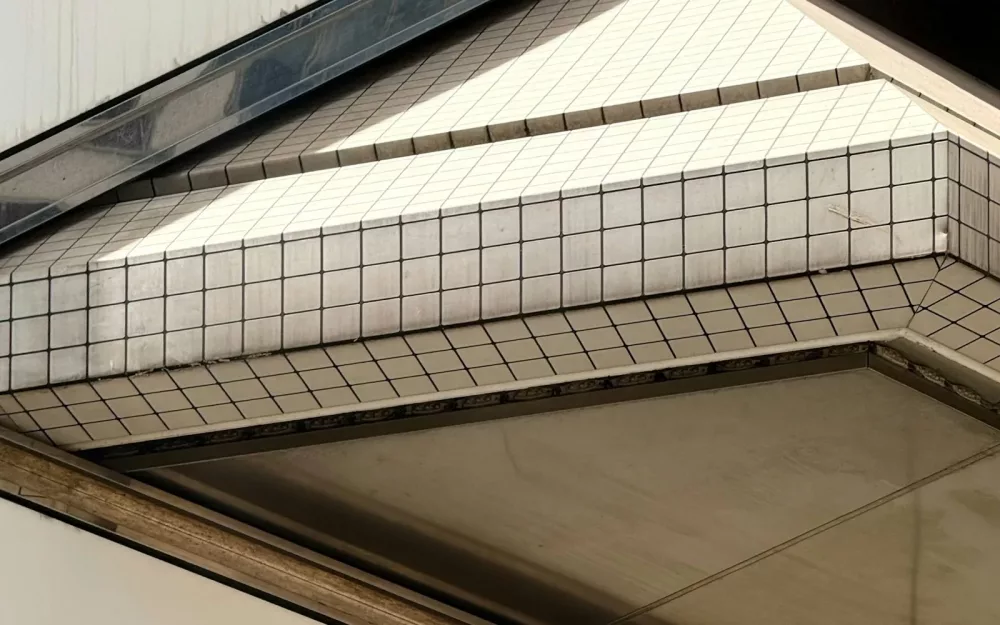
Choosing durable materials without giving up on style
We are often asked whether one must choose between a beautiful interior and a responsible one. After fifteen years of projects, our answer is one word: no. The two demands pull in the same direction — provided you return to a few simple principles.
« A durable material is not one that never moves. It is one that ages well. »
Favour raw materials
A material that has not been dyed, varnished or plasticised can be repaired, sanded, patinated. It accepts time instead of fighting it. Our favourites come back project after project:
- oiled oak, rescued with a pass of steel wool;
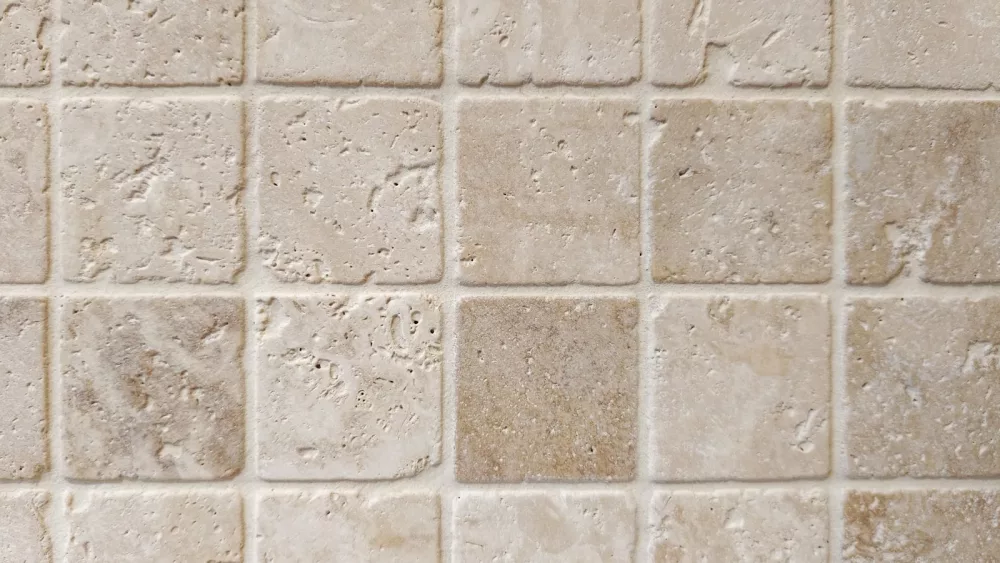
- natural stone, each block unique;
- lime, which lets walls breathe;
- terracotta, which deepens over the years.
Look at provenance
A fine material produced on the other side of the world loses part of its meaning. We favour regional suppliers: a lighter footprint, a more honest grain, and a workshop you can actually visit. Traceability is part of the design, just like a colour or a handle.
Reuse, first
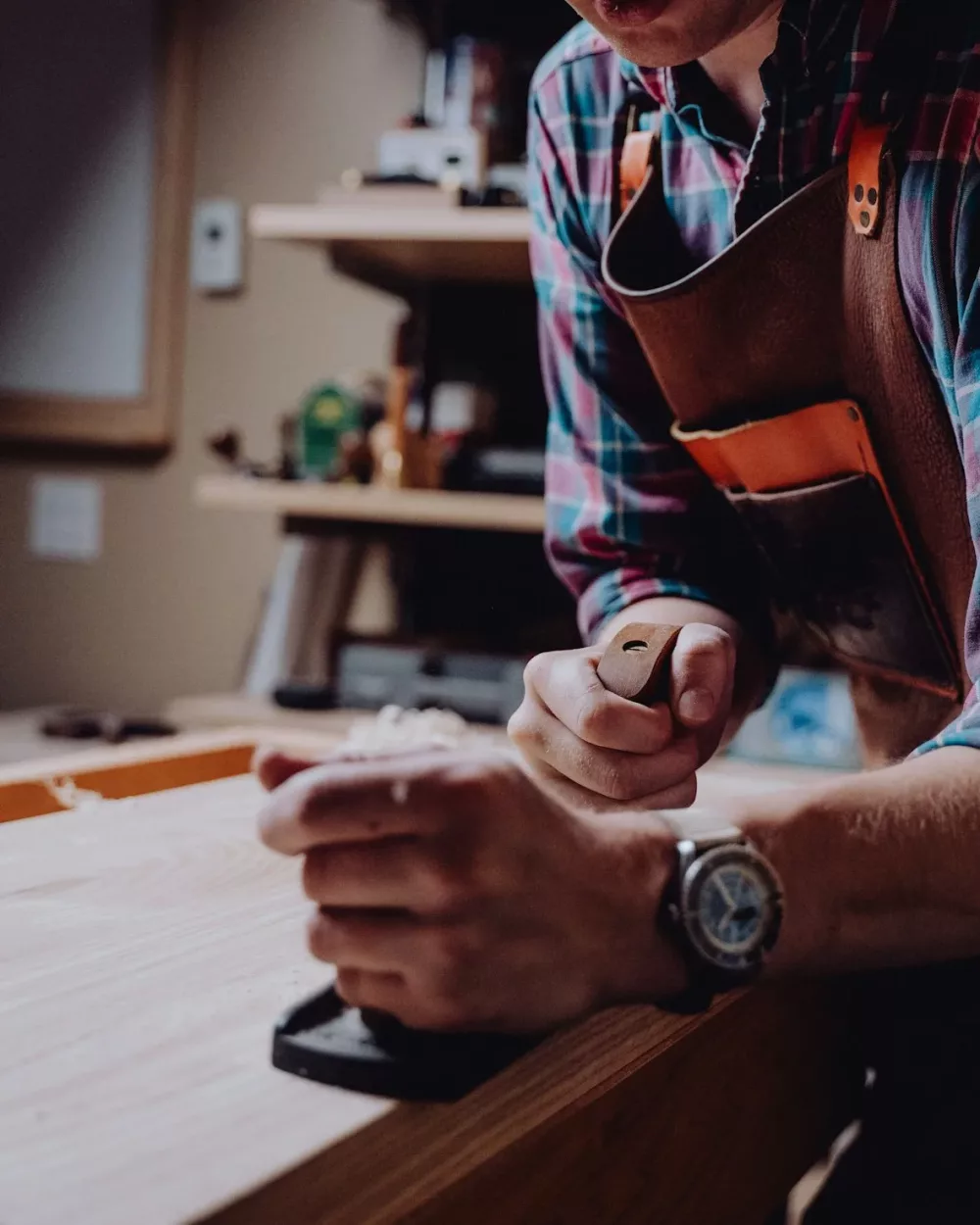
Before ordering anything new, we look at what the space already holds: a floor to re-sand, a fireplace to revive, old doors to reuse. The most sustainable renovation is often the one you don't carry out.
« You are not buying material — you are buying years of peace of mind. »
Madeleine Réaux, founder
Maintain rather than replace
A durable interior is also a matter of use. We always hand our clients a short care sheet: which oil for the worktop, how to feed the leather, how often to treat the stone. It is these tiny gestures that make a place last another ten years.
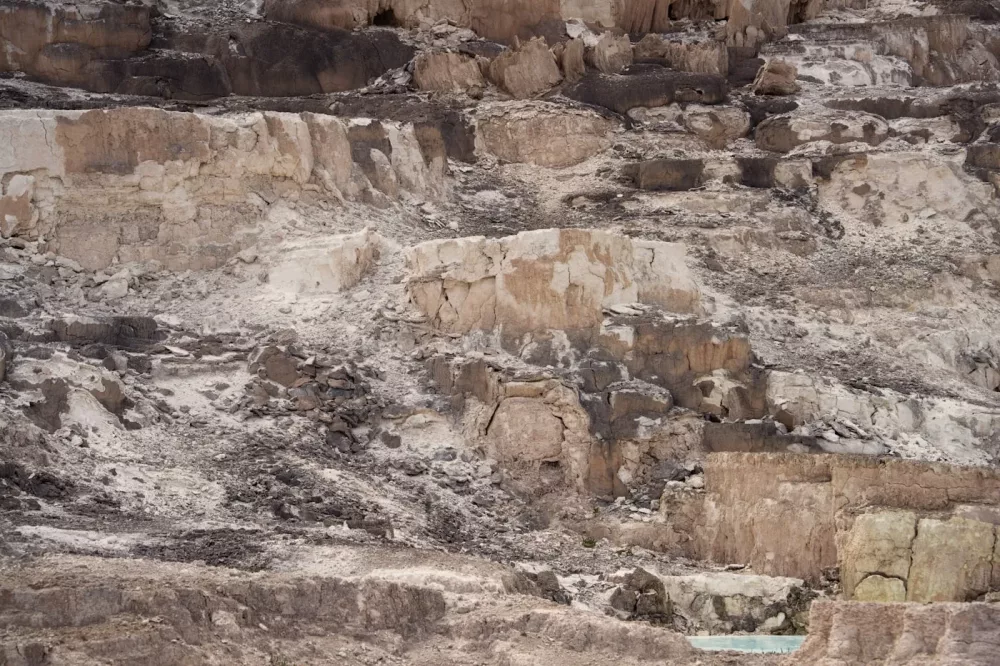
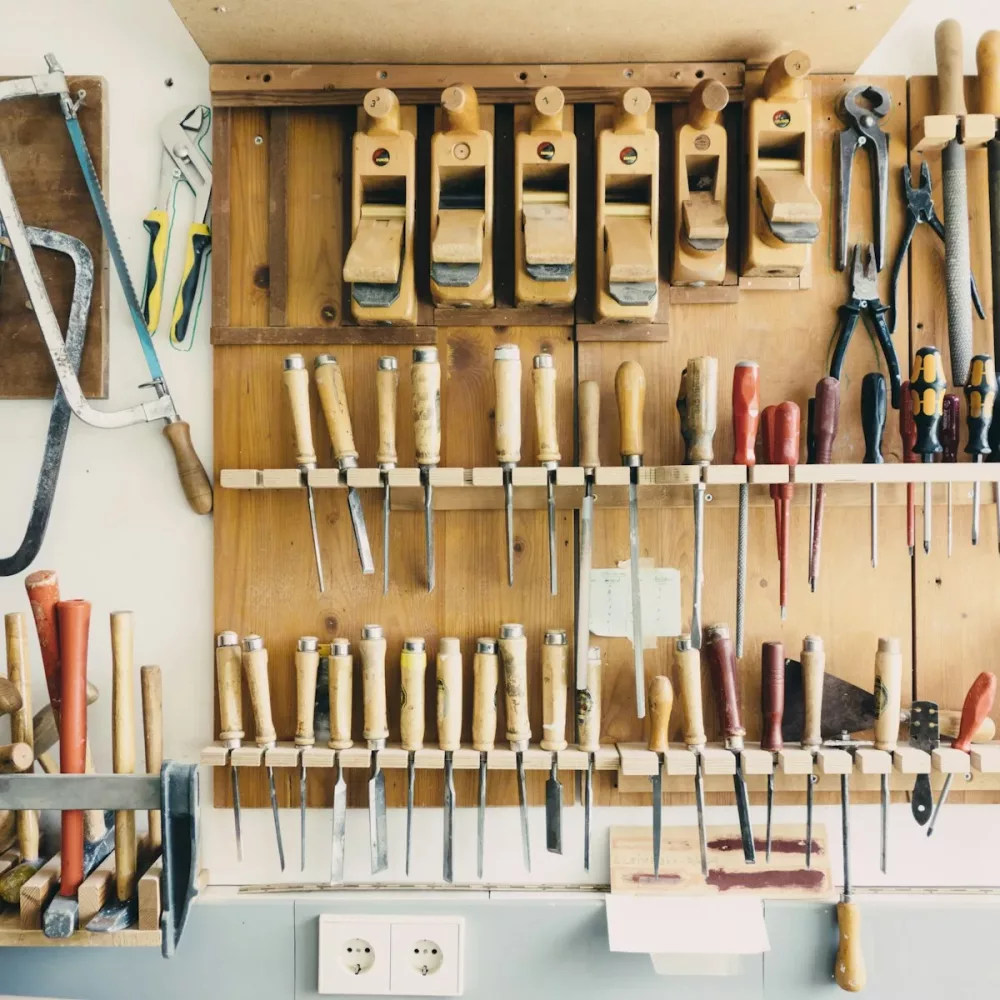
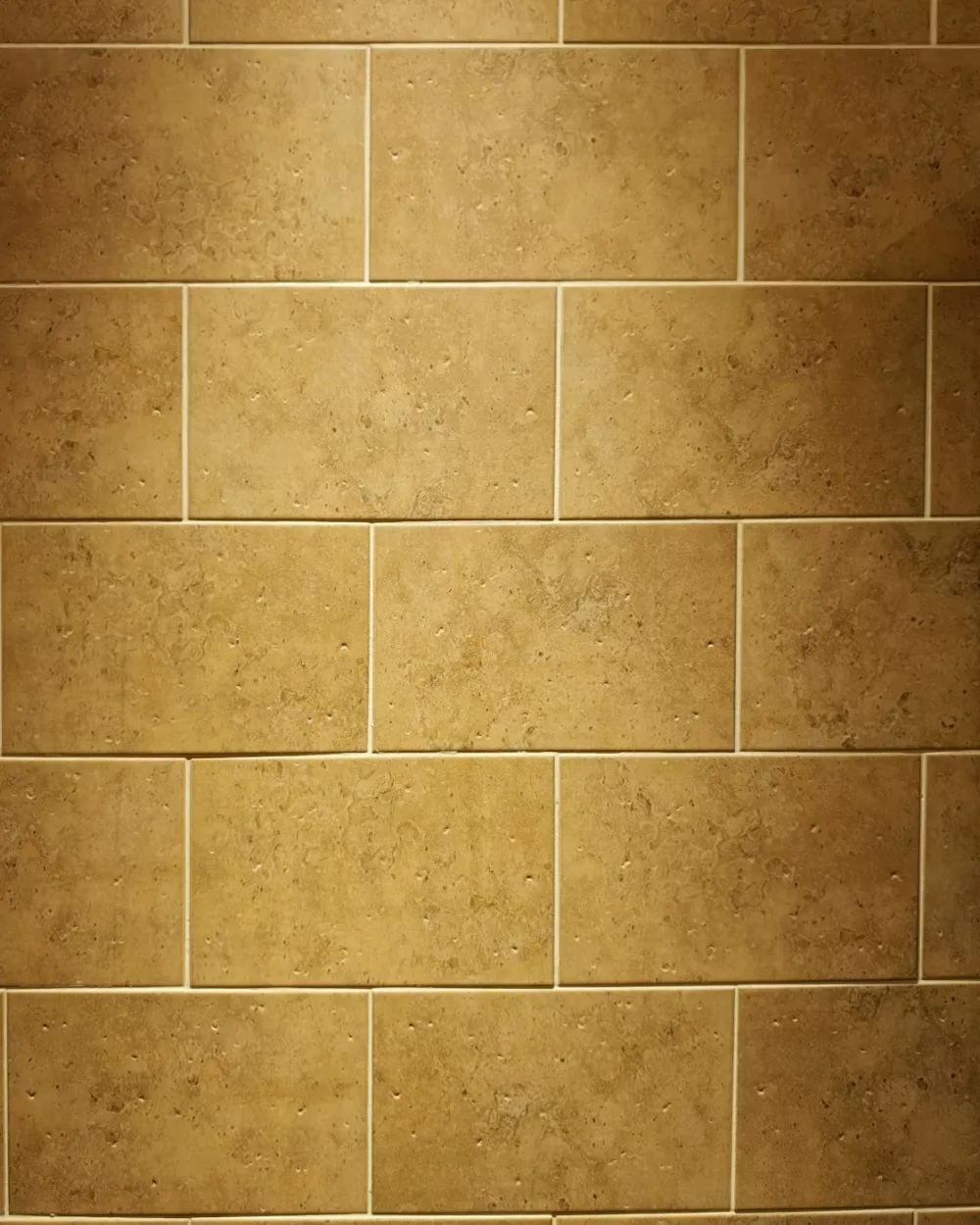
In short: fewer elements, but better ones. A successful project is not one where everything has been added — it is one where nothing remains to remove, and where, ten years on, you still haven't wanted to change a thing.